That makes sense. If thousands of people are gathering in one place, or if a busy operation depends on constant transactions, communications, and coordination, bandwidth matters.
But in real-world environments like event venues, public campuses, hospitality spaces, and major gatherings, bandwidth is only part of the story.
They need connectivity across multiple zones and use cases. They need support for ticketing, vendors, pop-up offices, transactions, staff communications, guest access, and back-of-house operations. They need infrastructure that can handle changing conditions, busy peaks, and short deployment windows. And they need a provider who understands that the network is not just an IT concern—it is part of the entire customer and operational experience.
That is where many generic provider models fall short.
A standard service package may deliver access, but not flexibility. A provider may sell capacity, but not real on-the-ground responsiveness. And when the environment is changing fast, those limitations show up quickly.
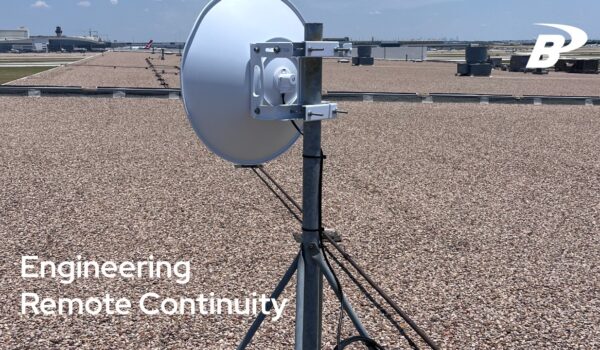
By combining flexible infrastructure, fixed wireless capabilities, high-capacity connectivity, and local support, BelWave helps organizations create networks that work under pressure. That means faster deployment, more adaptable coverage, and a support model that responds in real time when needs shift.
This is especially important in environments where there is no “we’ll fix it tomorrow” option. A ticket booth cannot go dark during a rush. A vendor cannot stop processing payments. A venue team cannot pause the event to wait on a callback. The operation has to keep moving.
BelWave helps make that possible by treating connectivity as part of the larger operational system, not just a utility line in the background.
For high-demand environments, that shift in mindset matters. The question is not just how much bandwidth is available. The real question is whether the network is built to support the full complexity of the environment it serves.
When the answer is yes, people may never notice the infrastructure at all.
And in busy, public-facing operations, that is often the best possible outcome.
Schedule your free consultation –> https://www.belwave.com/schedule-a-free-consultation/